All Categories
Featured
Table of Contents
These instant notices empower IT and security specialists to examine and react to threats without delay, typically before damage can occur. Tools like Splunk or Datadog, for example, permit organizations to tailor alert thresholds and automate reactions, making it possible to reduce dangers while maintaining the agile rate of cloud operations.
These accelerated release cycles, while advantageous for innovation and speed, present a continuous stream of prospective security risks. Every code update, facilities change, or setup fine-tune develops a brand-new entry point that attackers may make use of. While strenuous application security testing before deployment captures lots of problems, it doesn't guarantee total security.
To address these evolving challenges, organizations require robust strategies that continuously keep an eye on for vulnerabilities and prioritize them based on threat. Solutions that manage application security posture play a crucial function here: They assist identify vulnerable points in cloud applications as quickly as they appear. Removal efforts can be focused on, ensuring that the most important threats are managed quickly.
Analyzing 2026 Vs. Traditional Cloud Cost Governance
Compliance with industry requirements, such as GDPR or HIPAA, is more easily maintained. By embedding these practices into CI/CD pipelines, security ends up being a natural extension of hectic cloud development, supporting both operational dexterity and a strong security stance. Changing from a patchwork of standalone security tools to an unified cloud-native application defense platform (CNAPP) provides clear operational benefits.
With a CNAPP in place, security groups acquire the ability to apply policies and controls across different cloud accounts, geographic regions, jobs, and virtual networksall from a single pane of glass. Less time spent on manual coordination and more resources released up for higher-value concerns, enhancing both performance and confidence in your security posture.
Transforming Cloud Chaos Into Order With Smart Automation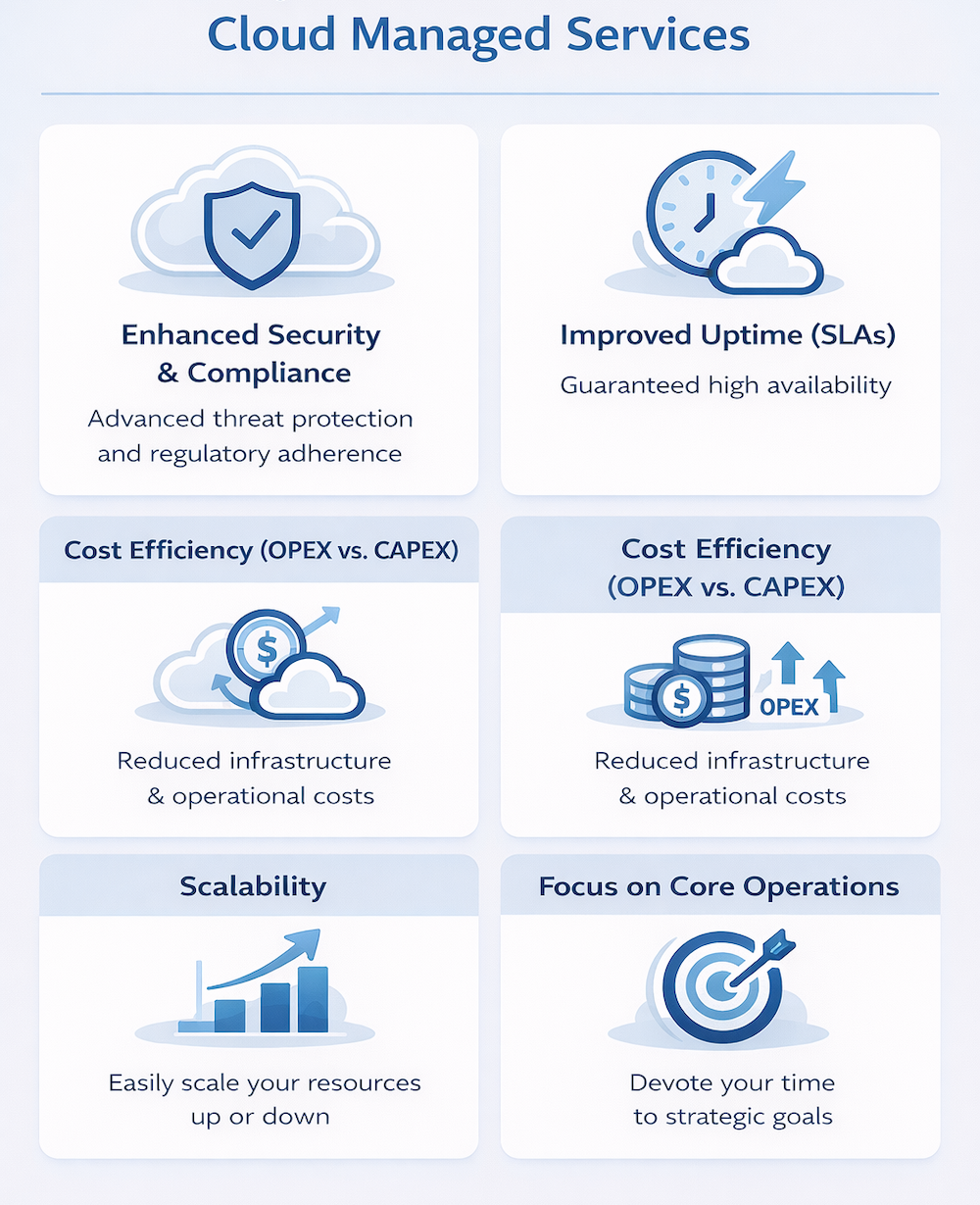
To guarantee your group shows maximum performance throughout security occasions, the plan needs to supply clear guidance and structure at every phase. Specify precisely who does what in the past, throughout, and after an occurrence. This makes sure that every group memberwhether from IT, security, or communicationsknows their part in the reaction process.
Quick notificationwhether through automated systems or designated contactshelps your team act rapidly to contain risks and decrease functional interruption. Detail how to communicate internally and externally with stakeholders, partners, or law enforcement (such as the FBI or local authorities), making sure information is shared effectively and appropriately.
Why Australian Tech Leaders Are Prioritising Automated ControlsThis assists refine procedures for future events and supports continuous improvement. By embedding these elements into your occurrence response plan, you enable your security group to collaborate actions perfectly, recover quickly, and reduce the overall impact of any security incident. Adopting a combined security platform can be a video game changer when it concerns enhancing operations and lowering complexity in cloud environments.
Strategic Budget Planning for Complex Cloud Systems
This central approach empowers defenders to see the larger picture. By monitoring activities and hazards across the entire cloud estate from a single dashboard, security groups can track adversary movements and spot dangers without constantly changing between several consoles or interfaces. The outcome is clearer, much faster insightno more piecing together separate reports to understand what's happening.
This suggests organizations can attain broad exposure and security, even in areas where deploying traditional agents is tricky. With whatever tied into one consistent interface, policies can be presented quickly across diverse accounts, jobs, or regions, making sure that security keeps rate with growth. Maybe most significantly, streamlining the security stack lowers licensing headaches and operational overhead.
For enterprises looking to keep rate in an ever-evolving cloud landscape, this unified method can be the linchpin that transforms security from a tangled web into an effective, versatile force. When an organization starts a cloud migration journey, several important concerns need thoughtful consideration to make sure a smooth transition.
Will you retire, depreciate, or transfer present properties? This decision can substantially affect your financial strategies.: Analyze if the cloud migration aligns with your cost-reduction objectives. Assess its effect on your monetary statements, particularly on your balance sheet.: Evaluate whether your existing applications are created for reliable cloud implementation.
: Make sure that you have extensive presence across both your existing and new cloud environments. Comprehending interdependencies at every stagepre-migration, throughout, and post-migrationis vital for keeping functional integrity.: For organizations moving from one cloud service provider to another, it's important to develop a robust exit strategy. This need to attend to problems around contract terms, information ownership, supplier duties, and the execution of post-migration cleanup.

Latest Posts
Ensuring Cost Excellence in Hybrid Systems
Managing Cloud Resources to Increase Enterprise Efficiency
Measuring IT Efficiency Through Advanced Governance Metrics